Tequila is one of the most tightly protected spirits in the world. Here is what has to be true before a bottle can carry the name.
It starts with one plant
Tequila is made from a single species of agave: Agave tequilana Weber, blue variety — usually just called blue agave. The plants take years to mature before their hearts, called piñas, are harvested, cooked and crushed to release their sugars.
It can only come from five states
Tequila has a protected Denomination of Origin. It can only be made in the state of Jalisco and in designated municipalities of four others: Guanajuato, Michoacán, Nayarit and Tamaulipas. Jalisco — home to towns such as Tequila and Amatitán — is where most of it is made.
“100% agave” versus tequila
A bottle labelled 100% agave uses only blue agave sugars. Tequila without that statement — often called mixto — must still take at least 51% of its sugars from blue agave, with the rest from other sources.
Blanco, Reposado, Añejo: what the ages mean
- Blanco (silver): unaged, or rested for less than two months.
- Reposado (rested): aged in oak for at least two months and less than a year.
- Añejo (aged): at least one year in oak barrels of no more than 600 litres.
- Extra Añejo: at least three years in oak.
Who checks?
Production is regulated by Mexico’s official tequila standard and certified by the Tequila Regulatory Council (CRT). Each bottle carries a NOM number that identifies the distillery that made it.
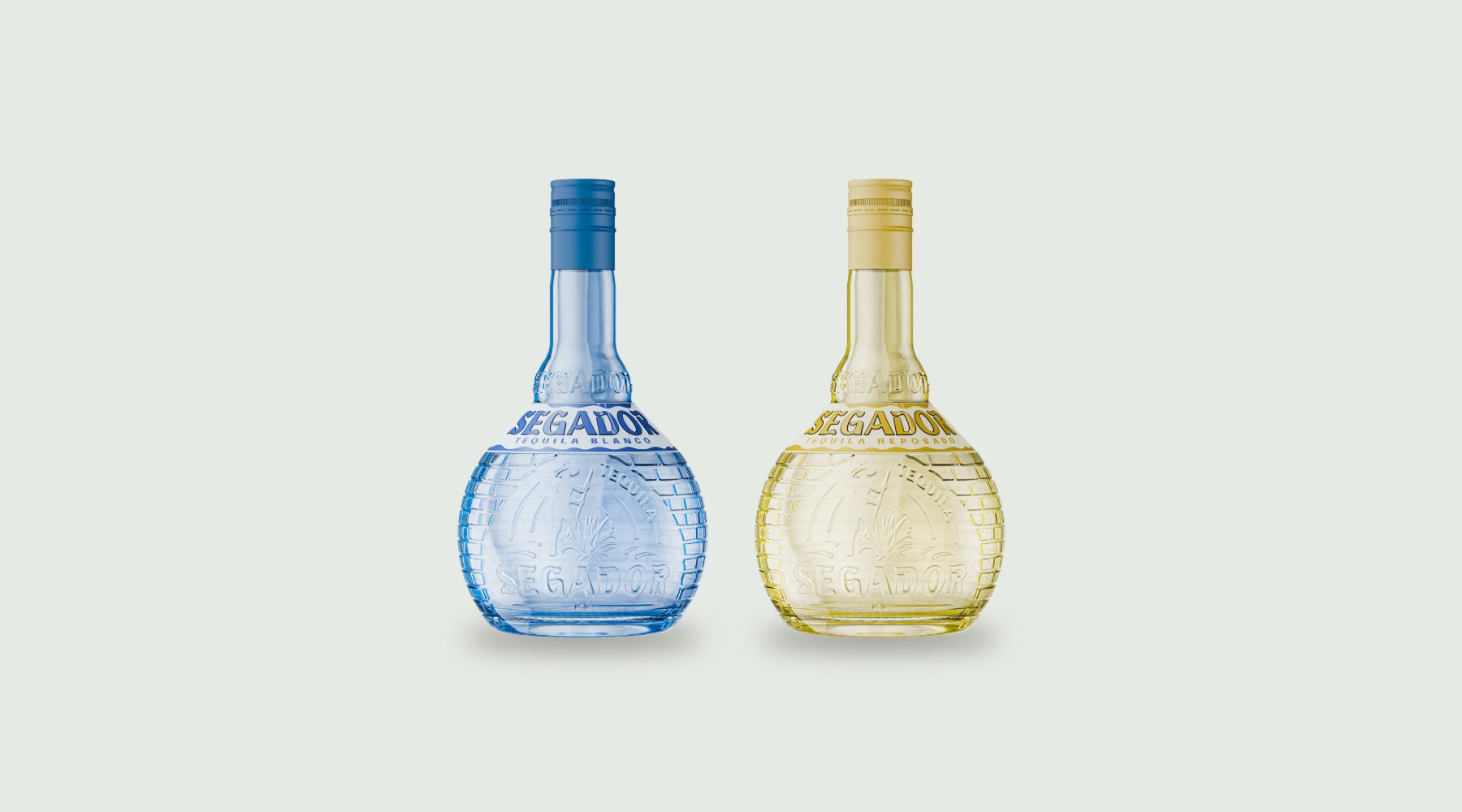
Taste the difference with Segador Tequila, from Amatitán in the heart of Jalisco.